
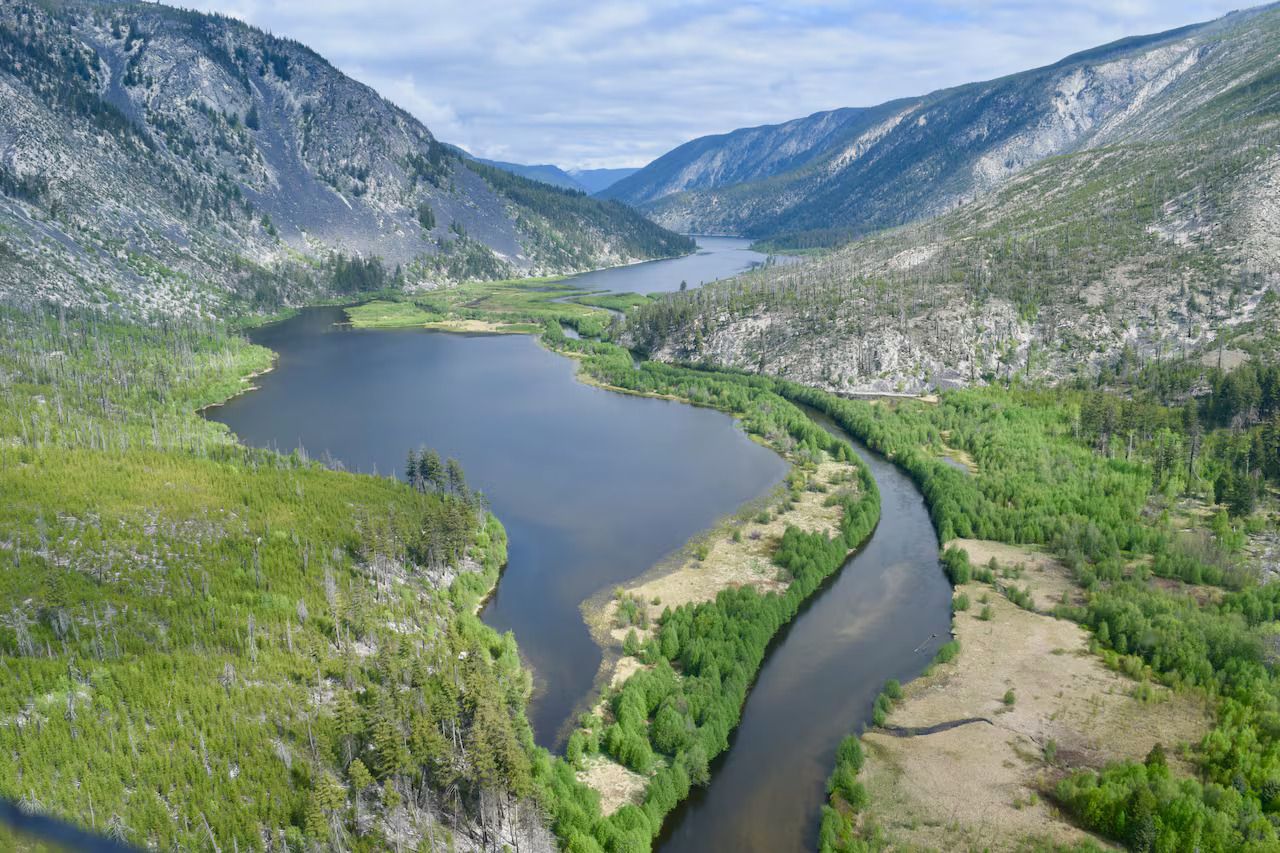
When volunteer botanist Dr. Ken Marr stepped out of a floatplane onto the shores of Lonesome Lake this summer, he entered one of the most remote corners of South Tweedsmuir Park— a place British Columbians helped protect through a 2021 BC Parks Foundation crowdfunding campaign.
Getting there took dedication. Marr donated his time and covered his field expenses—including the float plane that carried him in—with a grant from BC Parks’ Community Parks Enhancement program, funded by BC Parks licence plate sales.
For Marr, a retired Curator of Botany at the Royal BC Museum, this was a rare opportunity: the chance to complete the first full plant inventory ever done on this property and understand what stories the land has been holding.
“There’s excitement, there’s curiosity, you don’t know what you will find…you want to do the place justice,” he said.

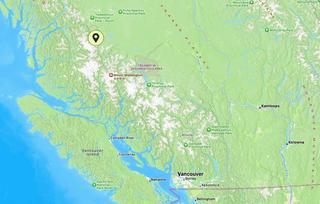
Marr is built for this kind of work.
He grew up in the mountains of Colorado, spending his earliest summers at a research station founded by his father, an Arctic and alpine plant ecologist who was also a survival specialist for the U.S. Army during the Second World War.
Long before he could spell “biodiversity,” Ken was learning how to read landscapes—naming plants, paying attention to weather, carrying the right gear, and moving through remote places with caution and a sense of responsibility.
“My father always put safety first,” he recalls. While sorting through his father’s field notes recently, he found a line that brought that wisdom right back: “Climb, if you will. But remember the next step may be your last. Don’t take an unnecessary risk that will prevent you from a lifetime of joy.”
That line stayed with him at Lonesome Lake. It’s not an easy place to reach—one of BC’s wildest spots. It’s also a popular spot for grizzly bears as they travel from the coast to the Chilcotin plateau and back.

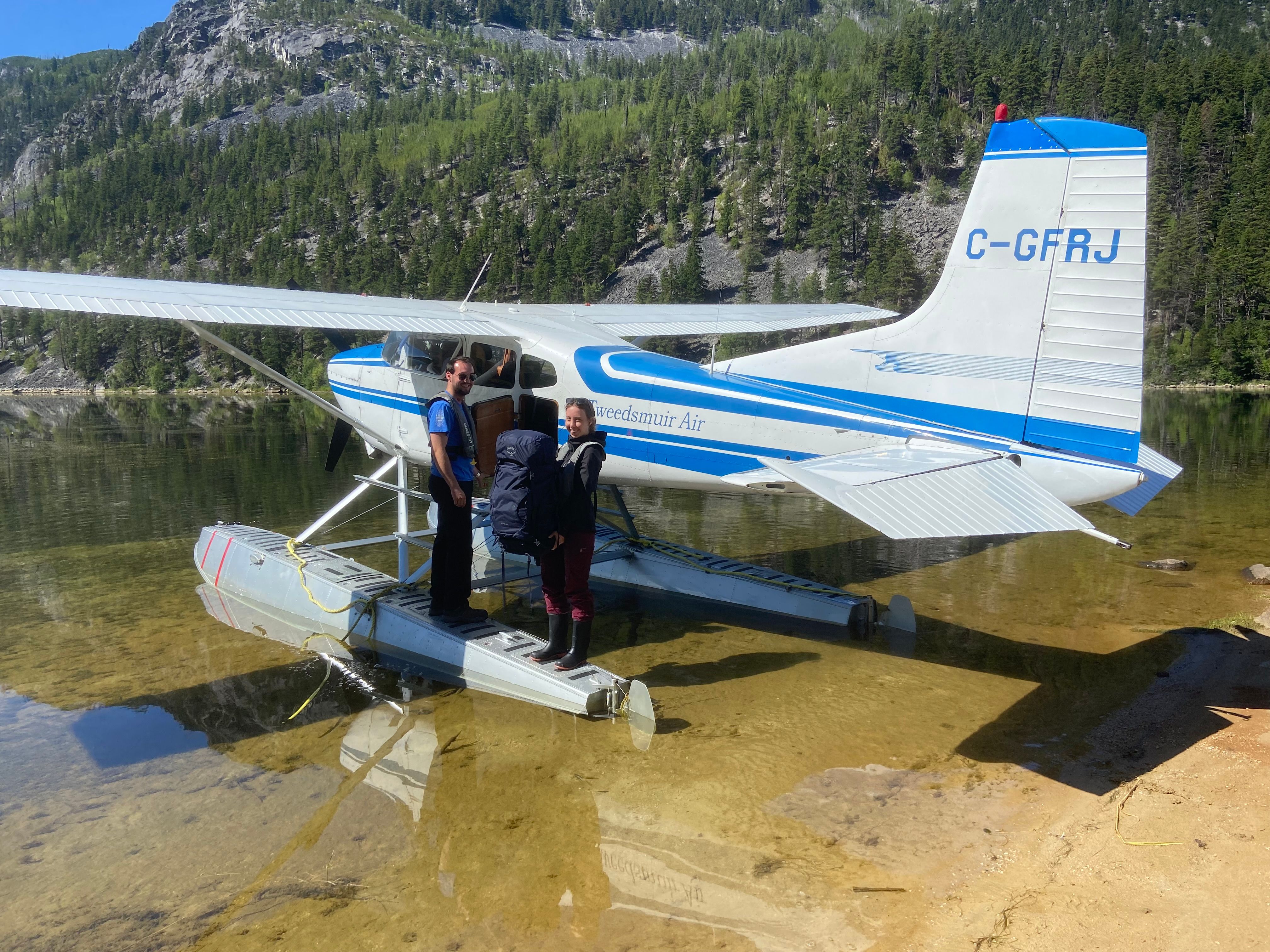
Ken's colleague Colleen and Tweedsmuir Air pilot arrive at Lonesome Lake.
They arrived with the roar of propellers as the floatplane skimmed the lake and settled on the water. The engine was cut, and the plane drifted quietly to the shoreline.
The lake is surrounded by young trees established after an extensive wildfire in 2004. At the south end are deep estuarine meadows, a very uncommon ecosystem in this region, where pioneer Ralph Edwards and family famously brought Trumpeter swans back from the edge of extinction a hundred years ago.
Once Marr and his colleague set up camp and settled in, he activated those early lessons from his father. Marr carried emergency gear, bear spray, extra food, weather layers, and a satellite communicator for nightly check-ins—habits instilled by his father and reinforced by decades of fieldwork, including 22 years in BC’s alpine. “The wilderness doesn’t bend to your plans,” he said. “You have to be ready to take care of yourself.”
They moved carefully, watched the weather, and paid attention to every shift in the land as they explored the valley.

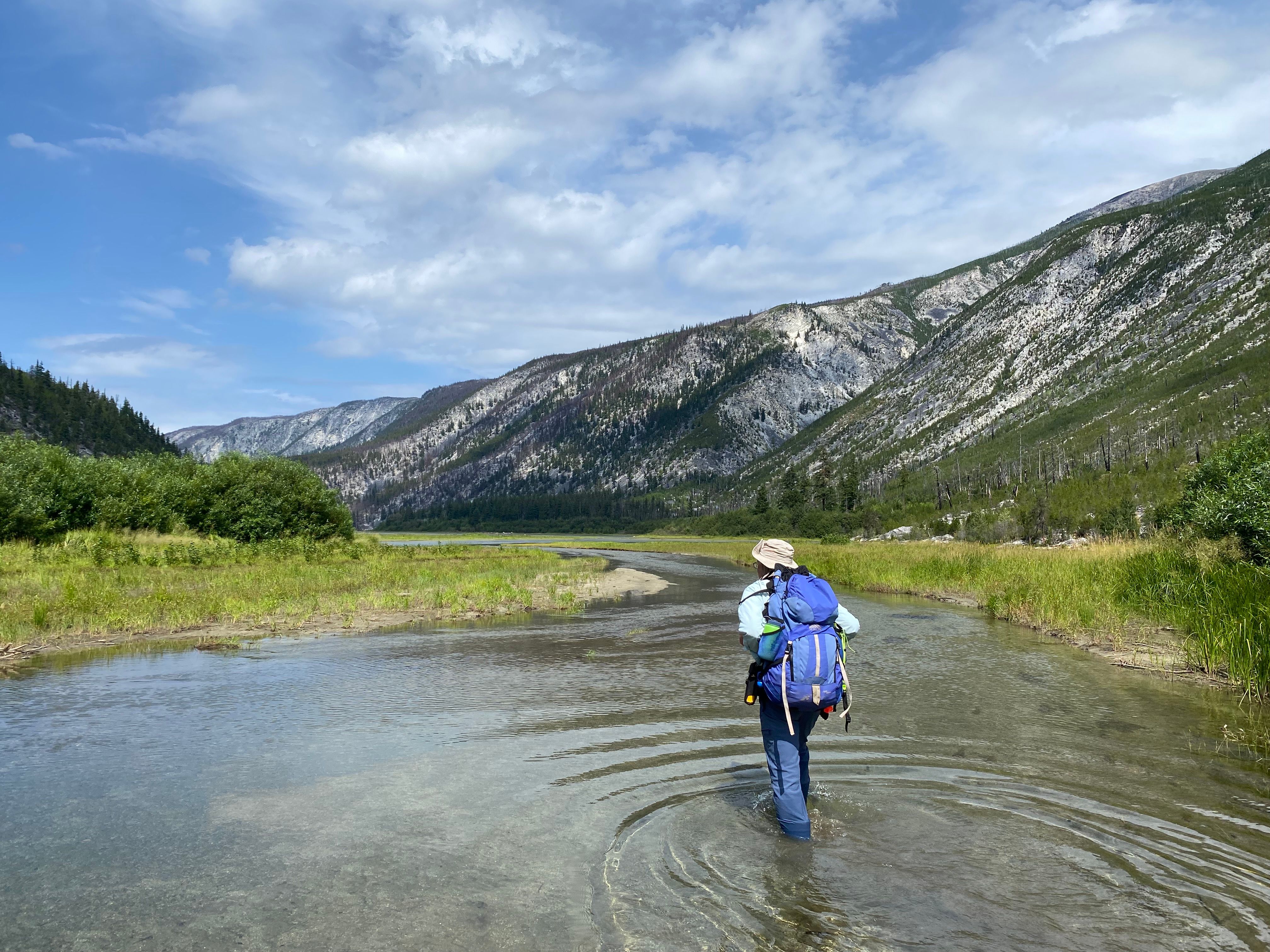
Ken crosses a small channel of the Atnarko River in order to collect plant specimens in estuary meadow.
What they found is remarkable.
Among the 193 plant specimens collected were two species growing far outside their known ranges—one nearly 450 kilometres north of where scientists expected to find it.

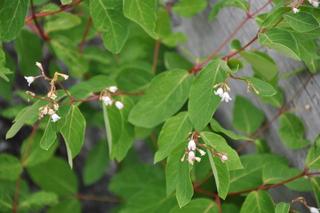
Spreading dogbane is a poisonous plant. Its stem is used by First Nations to make cordage.
In a landscape where coastal plants like western redcedar grow beside dry interior species like Rocky Mountain juniper, Lonesome Lake is revealing itself as an ecological crossroads, a place where different worlds overlap. It’s often at life’s intersections where the most interesting evolutions happen.

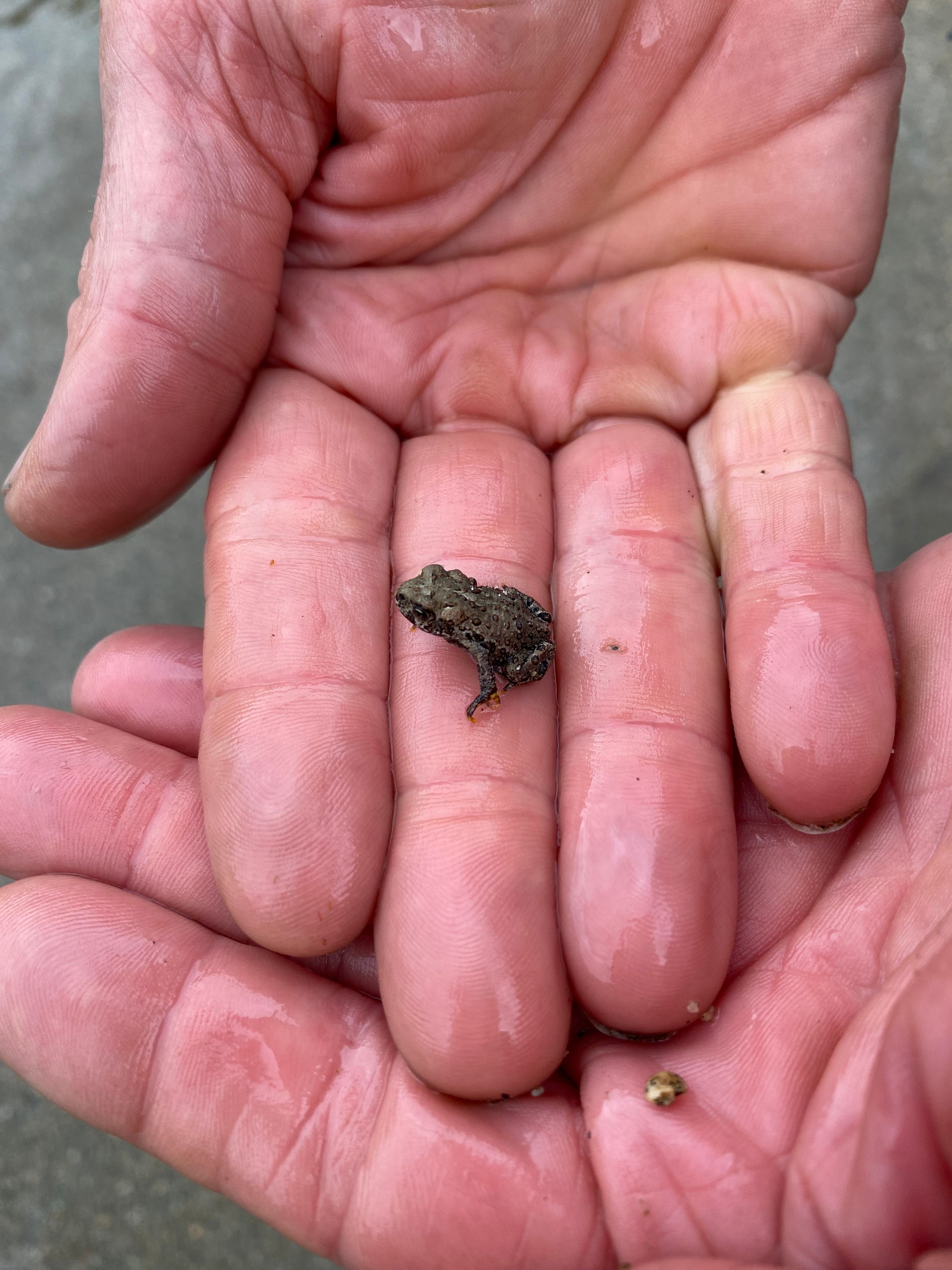
They also found life in motion. Dozens of young toads hopped across wet meadows and along the shoreline—10 to 20 seen at a time, with likely hundreds more hiding in the grass. “It’s a sign of how alive this valley is,” Marr said.

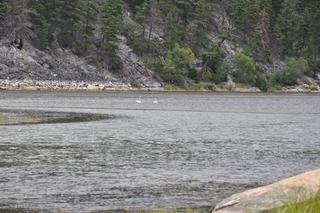
A pair of swans—likely descendents of the trumpeter swans that were almost lost to the world—glided along the far end of the lake each morning.
One afternoon, they heard a long, unmistakable howl echo across the estuary: a wolf announcing its presence.
And each evening, several juvenile bald eagles gathered near the shoreline, swooping and diving as adults hunted salmon nearby. Marr watched one young eagle hover, feint, and pull up repeatedly—behaviour he later learned is a way to tire out waterfowl.
His findings of uncommon plants are now entering provincial databases, strengthening knowledge about a place British Columbians came together to protect. These specimens also add long-term value: researchers use specimens to describe the range of variation within species, to document distributions, and may one day use them for DNA analyses, thus helping to reveal even more about BC’s biodiversity.
And Marr hopes this is only the beginning. There is still another side of the lake to explore, a former agricultural clearing to survey, and countless species waiting to be discovered.
“It’s amazing to know this place is protected forever,” he said. “People will be able to come here and feel that same sense of care, wonder, adventure, and possibility for generations to come.”
Your support makes this work possible
Because of people like you, remote places like Lonesome Lake can be protected, studied, and cared for. Your generosity helps ensure more discoveries, more learning, and more opportunities for wonder in the years ahead. Please consider giving today.