Two new conservation areas connect with the Lasqueti Island Ecological Reserve and Mount Trematon Nature Reserve, protecting mature and old forests, wetlands, a salmon-bearing stream, and shoreline.
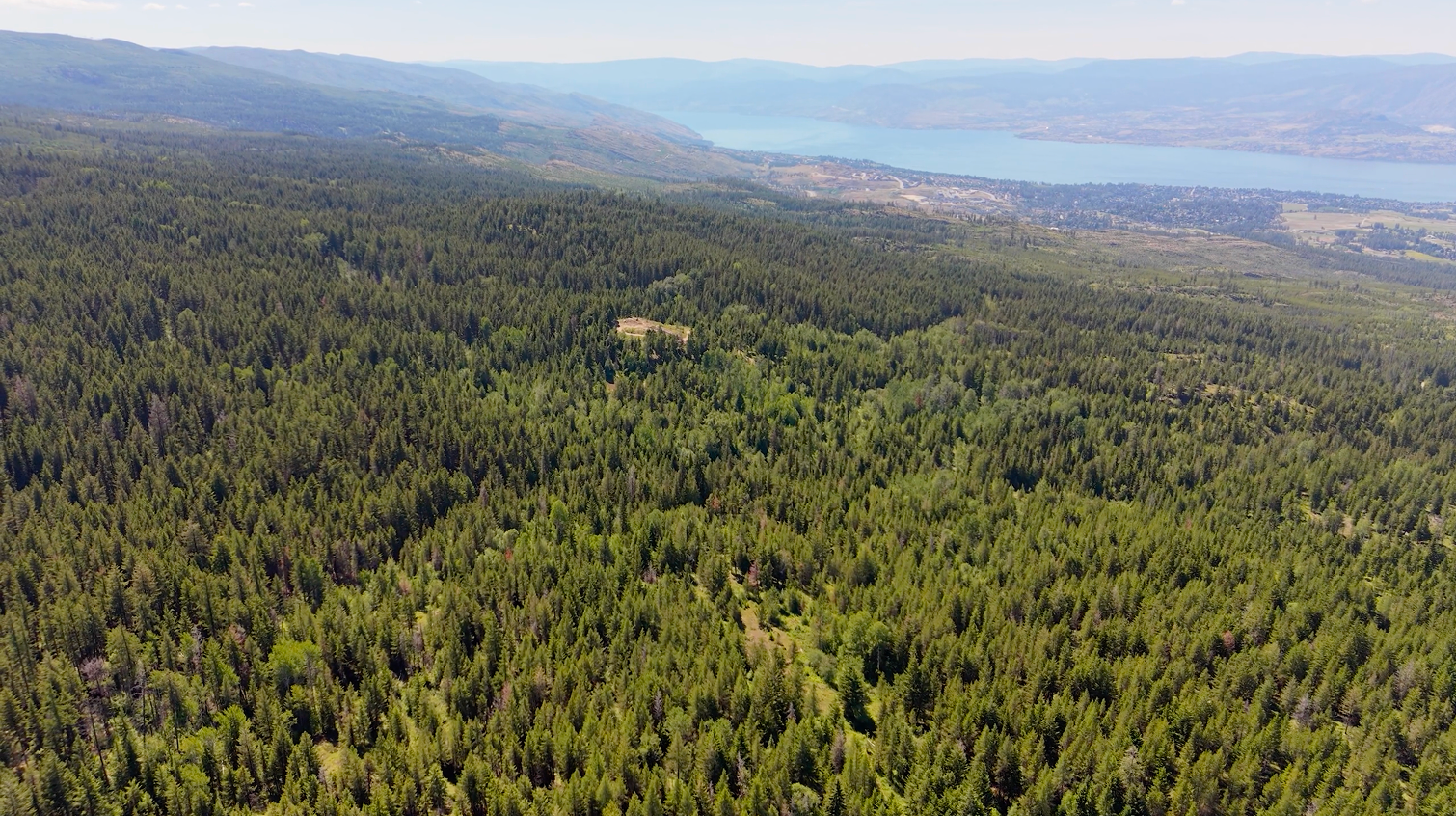
BC Parks Foundation has conserved more than 330 acres of ecologically significant land on Lasqueti Island, connecting with existing protected areas to create a contiguous conservation landscape of more than 1,000 acres—one of the largest in the Salish Sea.
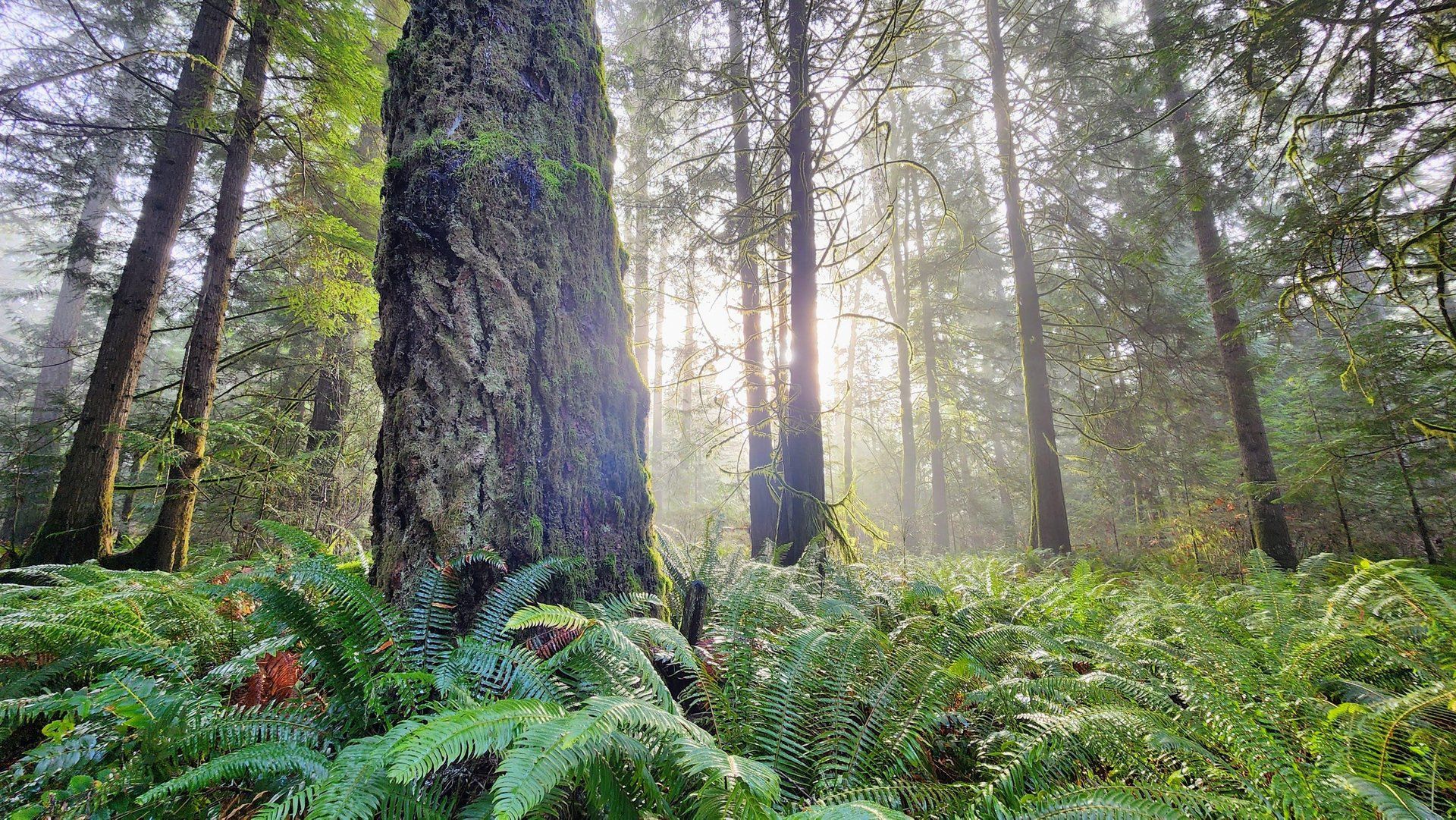
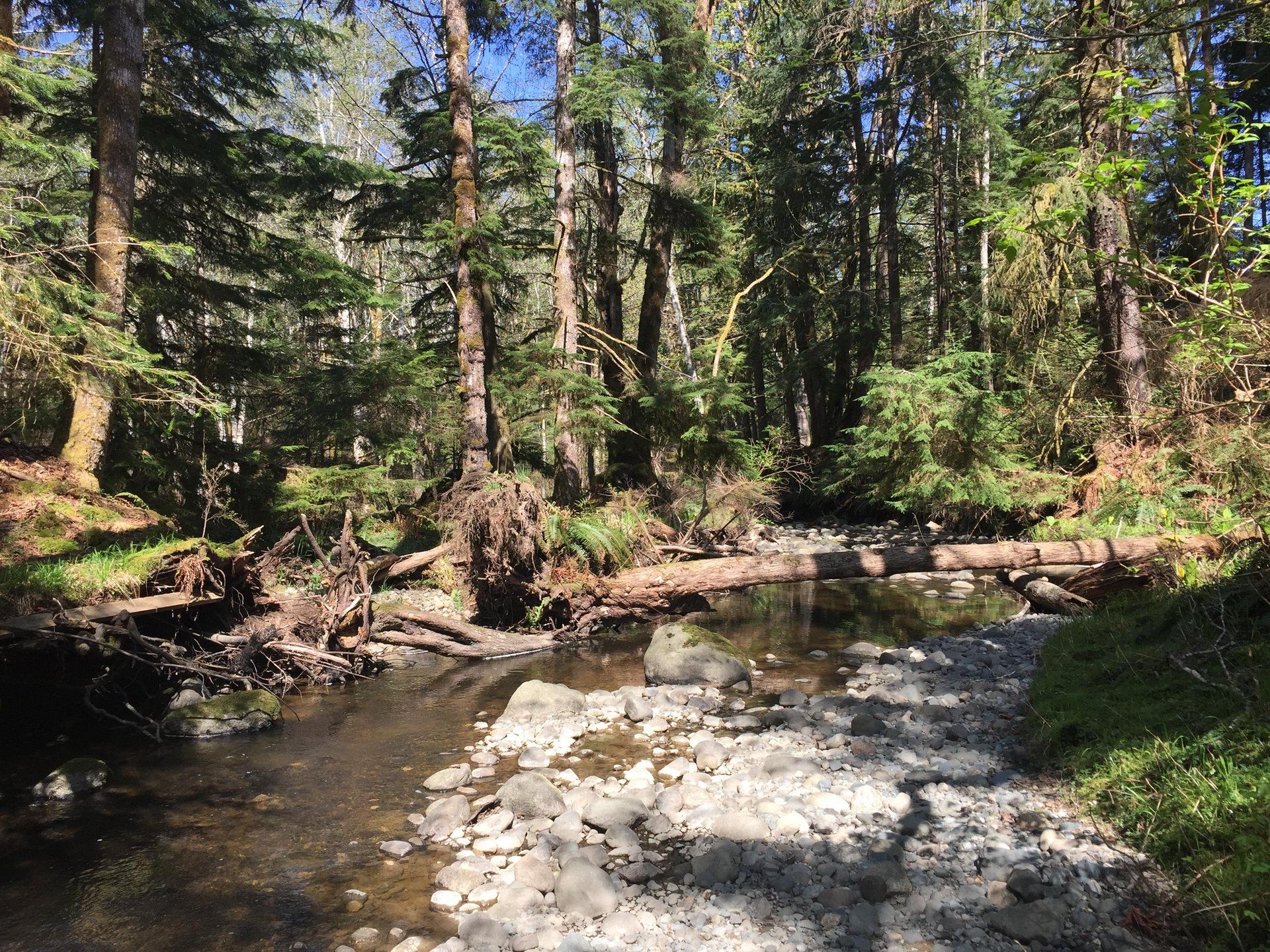
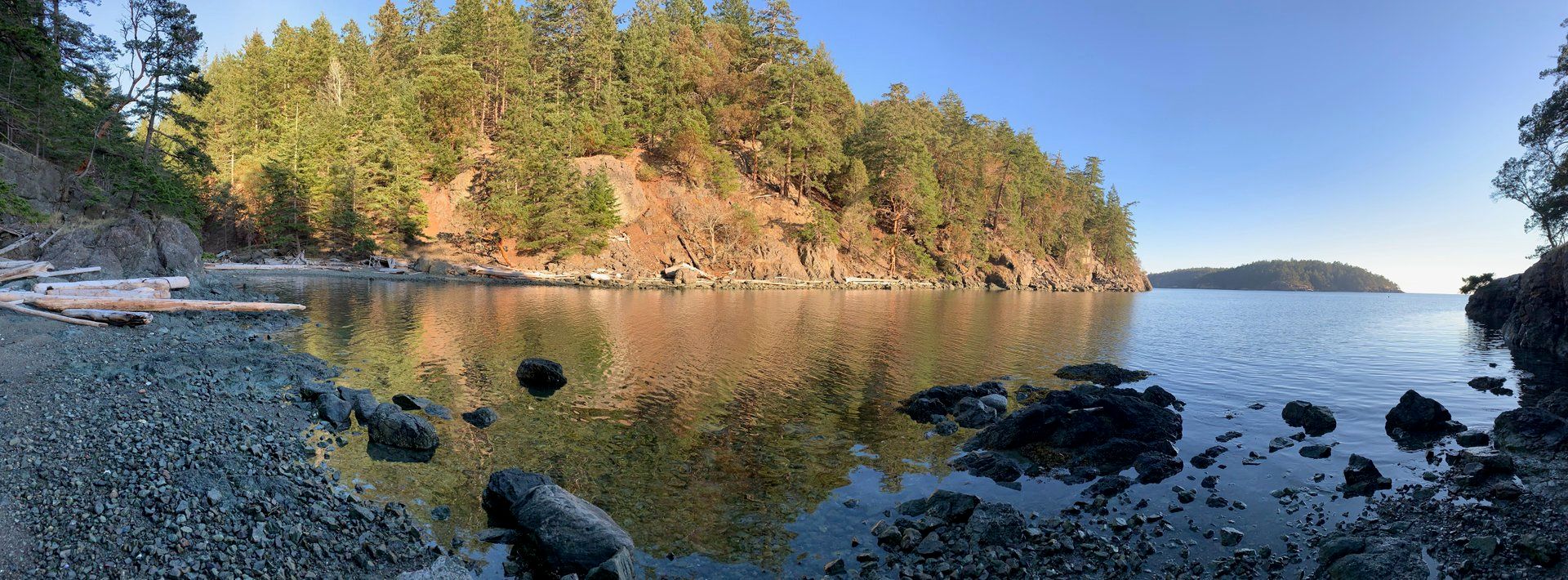
The two newly protected properties, Jenkins Creek and Jenkins Bay, connect with the Lasqueti Island Ecological Reserve and Mount Trematon Nature Reserve, protecting mature and old forests, rare ecological communities, wetlands, a salmon-bearing stream, and shoreline.
Conservation of the properties occurred in collaboration with landowners who spent decades caring for the land. Bruce Fleming-Smith and Domena Diesing, longtime owners of Jenkins Creek, worked with BC Parks Foundation to conserve 140 acres, contributing a portion of the property's value through an Ecological Gift. The protection of Jenkins Bay fulfills the conservation vision of its former owner, the late Alfred “Al” Gaensbauer, whose family continued working toward his wishes after his death.
“This great success is another example of what can happen when people care about the land, work together, and take a long-term view,” says Andy Day, CEO of BC Parks Foundation. “Al spent decades looking after this land and wanted to see it protected. Domena and Bruce made a significant donation. Local conservationists stuck with this for more than a decade, and our donor community once again stepped up. It’s another example of British Columbians working together to make a difference.”
For Domena, the story began in 1981. Having arrived on the West Coast from Germany, she was searching for a place to put down roots. Distressed by the clearcut logging she witnessed along the coast, she invested an inheritance from her grandmother in a share of a 160-acre property on Lasqueti Island.
She remembers walking through the forest on a rainy day when the sun suddenly emerged, revealing the landscape that would become her home. Having grown up in Germany, where forests are intensively managed, she was captivated by the property's wild character.
After meeting Bruce, the couple built their home among the trees and gradually acquired the remaining ownership shares. Over the next four decades, they carefully managed the property, limiting disturbance, avoiding slash burning, and maintaining the continuity of the forest.

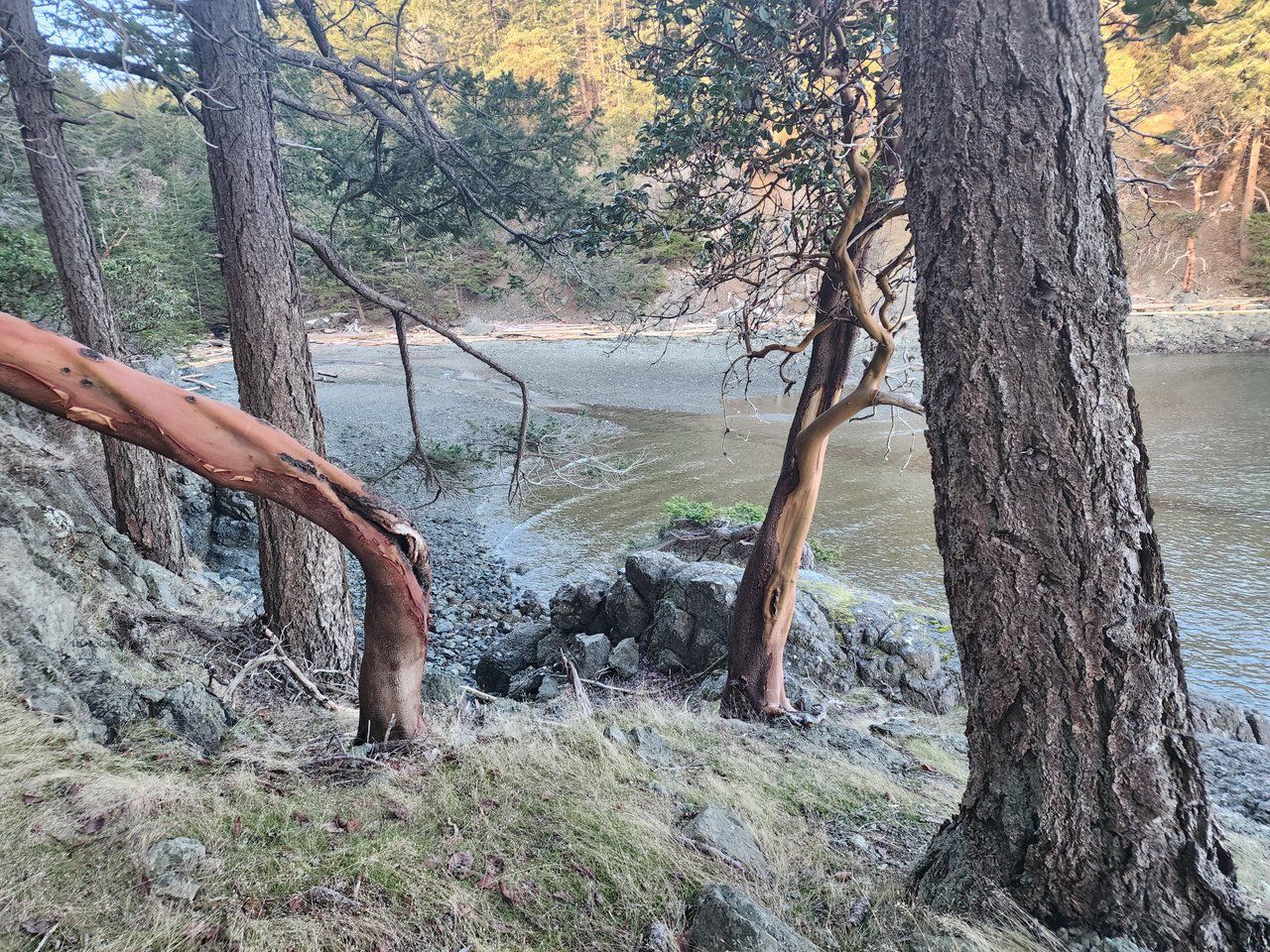
Their closest neighbour was Gaensbauer, who shared their love of the land. They visited one another regularly, with walks through the forest and down to Jenkins Bay becoming a treasured tradition.
“As the grey hairs appeared,” Bruce says, "we began considering how to ensure the forest would remain intact.” Working with BC Parks Foundation, they arranged to conserve 140 acres while retaining their approximately 20-acre homestead.
For the couple, the conservation offered an opportunity to pass on the beauty, ecological values, and the responsibility of caring for land that had been central to their lives for decades.
“We were able to actually make a gesture that would pass on the responsibilities of stewardship that we had felt with our ownership over the years, pass that on to the public and to future generations,” says Bruce.
The newly conserved Jenkins Creek property protects mature and old forest in the Coastal Douglas-fir maritime ecosystem, one of the rarest ecosystems in BC. It includes several rare ecological communities, including Douglas-fir–Arbutus, Douglas-fir–Dull Oregon-grape, and Grand fir–Three-leaved foamflower communities.
Jenkins Creek is fed by numerous small seasonal tributaries flowing from the surrounding uplands into the Jenkins Creek valley. It then flows through the neighbouring 190.6-acre Jenkins Bay property before reaching a small estuary at Jenkins Cove. Together, the two properties conserve the salmon-bearing creek and surrounding habitat along its journey to the sea.
The protection of Jenkins Bay also marks the culmination of more than 15 years of work to fulfill Gaensbauer's wishes.
A longtime warden of the neighbouring Lasqueti Island Ecological Reserve, Gaensbauer cared deeply for the surrounding land and wildlife. Around 2011, local conservationists Sheila Harrington and Gordon Scott, president of the Lasqueti Island Nature Conservancy (LINC), began working with him to explore options for permanently protecting his property.
Gaensbauer participated in local fish restoration work and helped document Pigeon Guillemots nesting on nearby cliffs, conducting the first count of the colony, according to Harrington and Scott. He also worked with ecologist Terry McIntosh, who documented lichens and mosses, including threatened Rigid Apple Moss, on Gaensbauer's land and in the neighbouring ecological reserve. McIntosh encouraged Harrington to approach Gaensbauer about conservation options.
“Al was very fit and spry well into his late eighties,” says Scott. “He built his own home, lifting timbers with ropes and pulleys, and developed an orchard and garden, disturbing as little of the surrounding forest as possible.”
For Harrington, finally seeing Jenkins Bay protected is the culmination of years of work.
“I’m just ecstatic that it’s gone through,” says Harrington. “I know Al would be very happy to know that it’s going to be protected forever.”
The protection builds on significant conservation work elsewhere on Lasqueti Island. In 2025, BC Parks Foundation worked with local landowners and partners to conserve two properties in the southwest of the island, building on its 2022 Pt. Young purchase and other protections to form a 568-acre contiguous conservation area around Squitty Bay Park.
Protecting land in this part of Lasqueti Island has long been a priority for LINC, and for those who knew Gaensbauer, the completion of Jenkins Bay has been particularly long awaited.
“Everybody knew Al wanted to put his land in conservation,” Scott says. “They kept saying, ‘Well, what’s happening? What’s happening?’”
Now, more than 15 years after those first conversations, what’s happening is that it is protected forever.