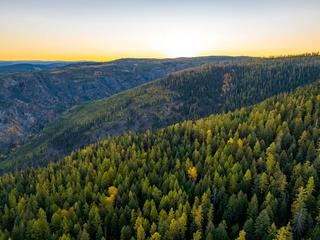
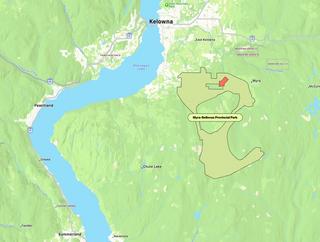
A 158-acre private land inholding within Myra–Bellevue Park has been permanently protected, strengthening an important wildlife corridor in the Okanagan and helping safeguard the ecological integrity of the park.

“Conserving land like this is about protecting what people and wildlife rely on every day,” says Andy Day, CEO of BC Parks Foundation. “It’s about making sure no puzzle piece is missing so the full picture of the park can be whole and enjoyed over time. As always, I am very grateful to our local partners and all our supporters, including the Wilson 5 Foundation and Cynthia and Paul Rodgers, for their support.”
Support also came from Environment and Climate Change Canada’s Nature Smart Climate Solutions Fund, with the combined effort of all partners helping make this project possible.
The forested property—home to streams, wetlands, and ponds—escaped the devastating 2003 Okanagan Mountain wildfire, leaving it as an intact refuge for wildlife in a region still recovering from fire. The land supports abundant species including deer, elk, moose, bear, cougar, and lynx, and provides critical habitat for the American badger, a species at risk.
The acquisition reinforces long-standing conservation efforts in the Kelowna South Slopes and helps connect protected lands across the region, while also supporting a park that is deeply woven into daily life in the Okanagan.
“This property has always been incredibly valuable from a conservation perspective,” says Rick Ellery of Friends of the South Slopes. “It wasn’t affected by the 2003 fire, it sits beside a major conservation corridor through the Okanagan, and it protects habitat that large mammals depend on. Opportunities like this don’t come up often, and when they do, it’s important to act.”
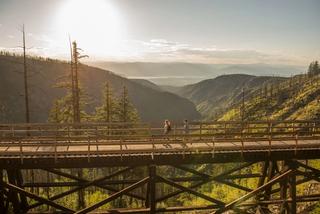
Myra–Bellevue Park is used year-round by people seeking connection to nature, whether hiking, cycling, horseback riding, wildlife watching, or simply spending time outdoors close to home. During the pandemic, use of the park surged as people turned to nearby nature for relief, reflection, and wellbeing, and that connection has only continued to grow.

The land was stewarded for nearly three decades by the Bauer family, who immigrated to Canada from Germany in the early 1980s. For Karin Bauer and her family, the property, affectionately known as “the Alm”—short for Almhütte, the German word for “mountain hut”—was a place of gathering, wildlife watching, and quiet time together in nature.

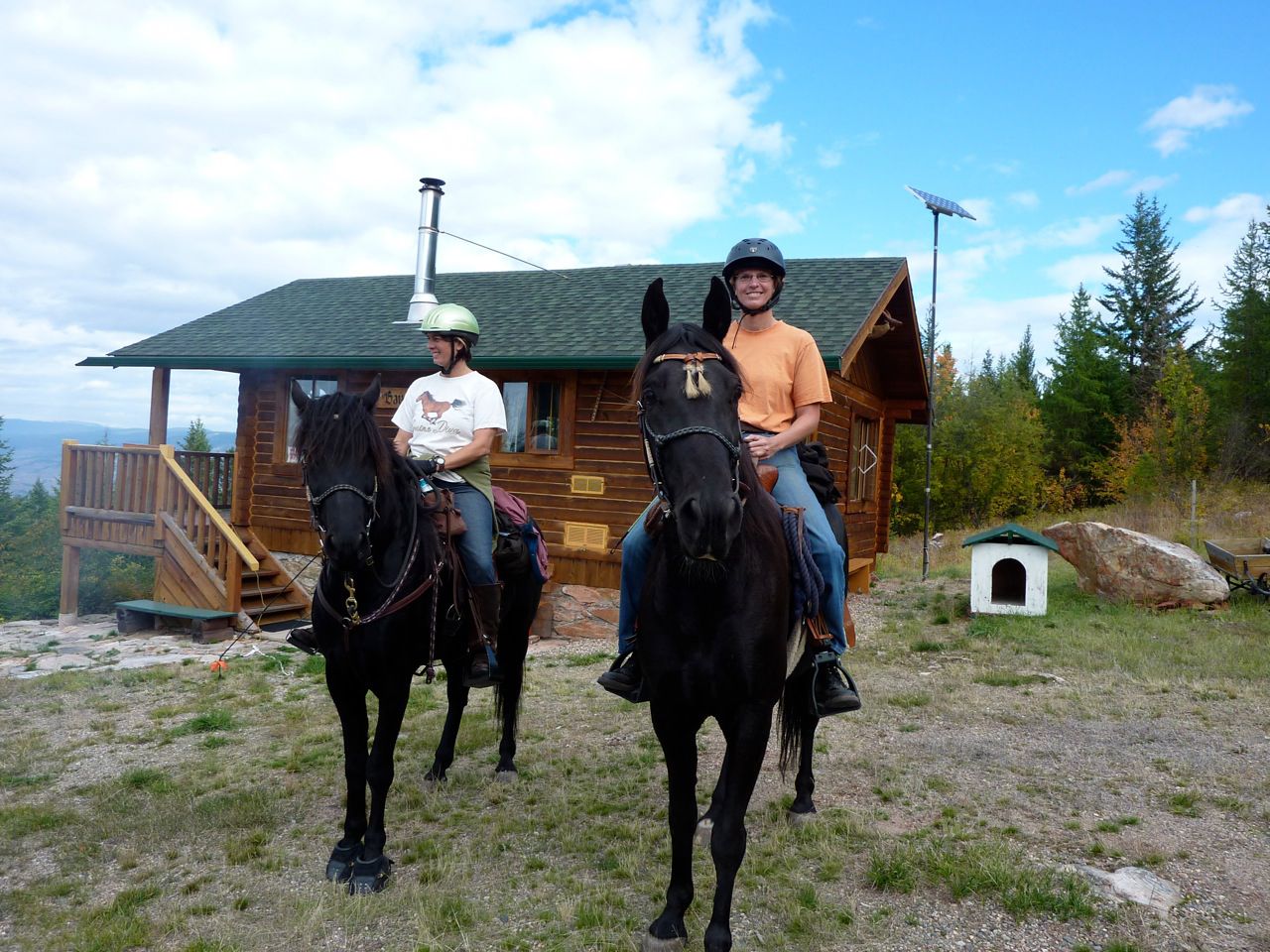
Karin and her partner Lisa on their horses, Link and Rollie. In the background, the log cabin (which no longer exists), affectionately referred to as "the Alm."
“My dad loved this land,” says Karin. “He built a small cabin up there, photographed the moose and their calves, and spent hours just watching wildlife move through the property. It was his happy place.”

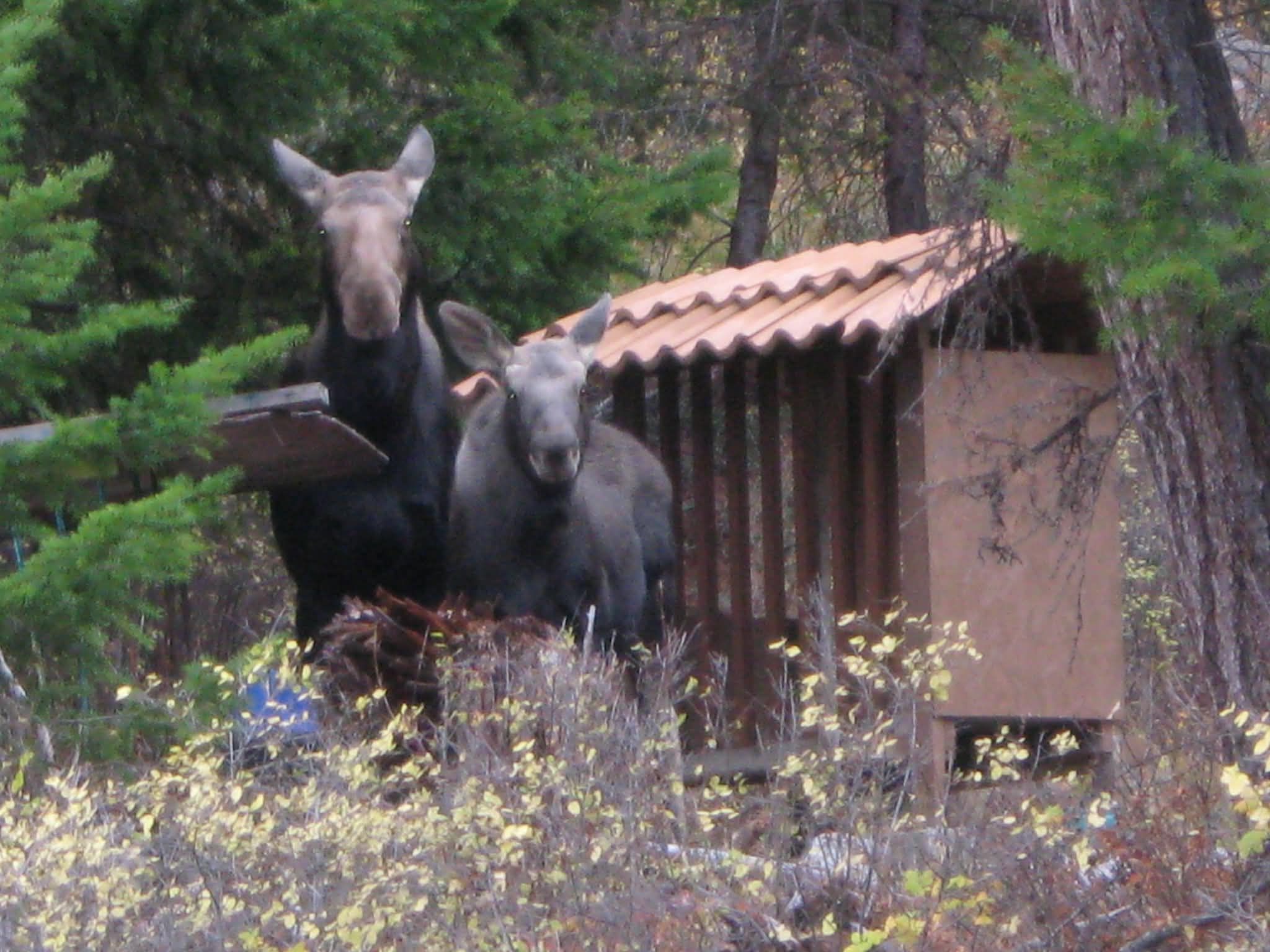
Resident moose regularly wander through the property and are one of the many animals Karine’s father came to know individually over nearly 30 years of stewardship.
When the family made the difficult decision to sell, they worried the place where they’d spent so much time together in nature might be permanently changed.
“We knew we didn’t want to see it developed or altered,” Karin says. “When BC Parks Foundation stepped in, we were absolutely thrilled. Knowing the land will stay as it is—and that future generations can experience it and enjoy it as we did—means everything to us. Maybe no one will remember us one day, but this land will always be here for people to enjoy.”
The protection of this inholding builds on decades of grassroots advocacy in the South Slopes, where local residents and volunteers worked persistently to protect the landscapes that eventually became Myra–Bellevue Park in 2001.
Friends of the South Slopes has long believed that conservation and low-impact, non-motorized recreation can coexist. This approach shaped the park’s creation and continues to guide its stewardship.
That legacy continues today through the partnership between Friends of the South Slopes and BC Parks Foundation, strengthening both biodiversity and public connection to nature, and ensuring places people rely on for physical and mental wellbeing remain intact as communities grow.
“People will always seek out nature,” Rick says. “When land is protected thoughtfully, with a light footprint, nature flourishes, and so do the people who rely on these places for their wellbeing.”