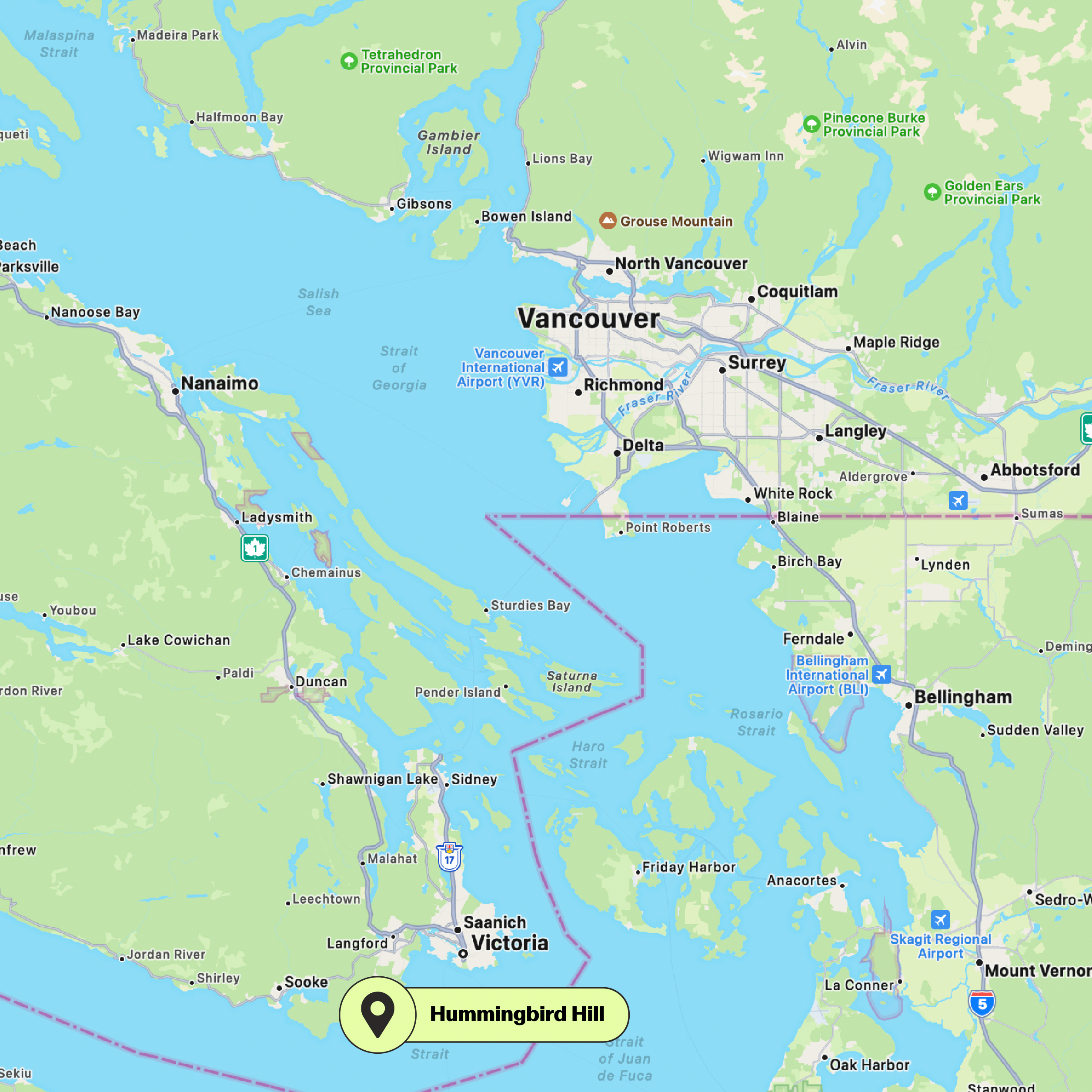
METCHOSIN, BC (Mar 3, 2026) – Along the Pacific Flyway, where millions of birds travel north and south each year, a 21-hectare property in Metchosin has now been permanently protected by BC Parks Foundation.
The acquisition was made possible by support from the Wilson 5 Foundation, the Metchosin Foundation, Environment and Climate Change Canada’s Nature Smart Climate Solutions Fund, and community donors.
In partnership with Rocky Point Bird Observatory, the site will serve as the organization’s headquarters and as a bird sanctuary, supporting research, education and community outreach programs.
Known as Hummingbird Hill, the property's meadows, ponds and veteran trees provide habitat for a wide range of species, from turkey vultures to hummingbirds to the tiny northern saw-whet owl. The region is widely known as the Birding Capital of Canada. With a rapidly urbanizing landscape, places like this serve as stopover and nesting habitat for migratory birds moving between continents.
The newly protected site is a key puzzle piece. It borders on the Galloping Goose Trail, lies close to Matheson Lake and Metchosin Wilderness parks, and adjoins a proposed Tribal Park at Mary Hill. That’s why, when the property came up for sale, the Metchosin Foundation approached BC Parks Foundation to help conserve it.

“We love supporting local volunteers like the great people at the Metchosin Foundation and Rocky Point Bird Observatory,” said Andy Day, CEO, BC Parks Foundation. “Protecting stopover spots like this helps birds complete their epic journeys across continents. Small creatures face big odds these days, and a single piece of land can make a difference.”
“As a small, volunteer-led group, we act as connector, catalyst and accelerator in bringing people together to protect the places we love,” said Valerie Jaeger, President, Metchosin Foundation. “We operate at the speed of trust, and the deep trust we share with BC Parks Foundation enables a shared vision for regional biodiversity protection.”
The project builds on the partners’ 2024 creation of the Bilston Headwaters Nature Reserve, expanding a growing conservation corridor in the region. The District of Metchosin has appreciated the charitable boost to its green spaces and climate plan and has done its part by providing property tax relief.
Since 1994, the Observatory has tracked bird migration across southern Vancouver Island, contributing data to international studies. Its four monitoring programs collect data on songbirds, owls, hummingbirds and seabirds of the Salish Sea. More than 125 volunteers and licensed banding staff collect data—including ticks for Lyme disease research and pollen from songbirds for pollinator studies—from thousands of birds each year.
“Our 31 years of data provides insight on how birds are doing,” said Rosa Munzer, President, Rocky Point Bird Observatory. “Our researchers are pleased to find that this site has healthy, abundant numbers of rufous hummingbirds whose population has dropped by half since 1970. It’s encouraging to witness their resilience here.”

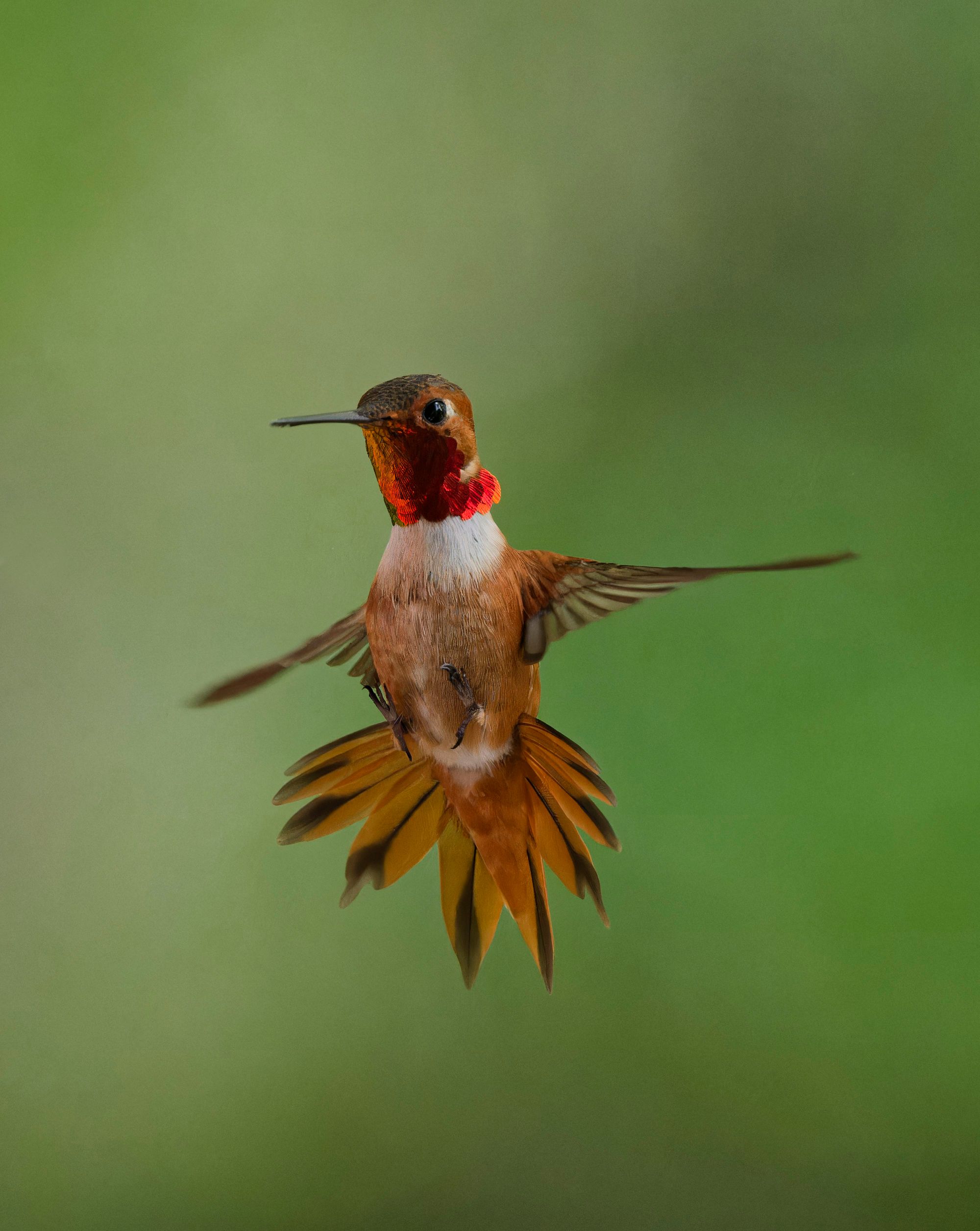
Rufous hummingbird, photographed at Hummingbird Hill by Jonathan Moran
Beyond bird research, the site also supports broader wildlife monitoring. BC Parks Foundation staff have already observed regular activity from large mammals like cougar, bear, deer, and elk, evidence of its ecological importance in a rapidly urbanizing region.
Because of the ecological sensitivity of the area, public access will be offered through guided walks, talks, and volunteer programs organized by Rocky Point Bird Observatory. The adjacent Galloping Goose Trail remains open to the public.
“Preserving Hummingbird Hill is something positive and real that benefits birds, wildlife and people now and in the future," said Andy Day. “It is another great example of proud British Columbians working together to keep BC beautiful. Thanks and praise to everyone involved.”
Learn more and sign up for updates at bcparksfoundation.ca/newsletter.
Photos and videos of Hummingbird Hill can be found here.
Video credit: Will O'Connell