Longest-running bird count in history takes place on a BC Parks Foundation property—protected by you

Date
January 29, 2026
By
BC Parks Foundation

Longest-running bird count in history takes place on a BC Parks Foundation property—protected by you

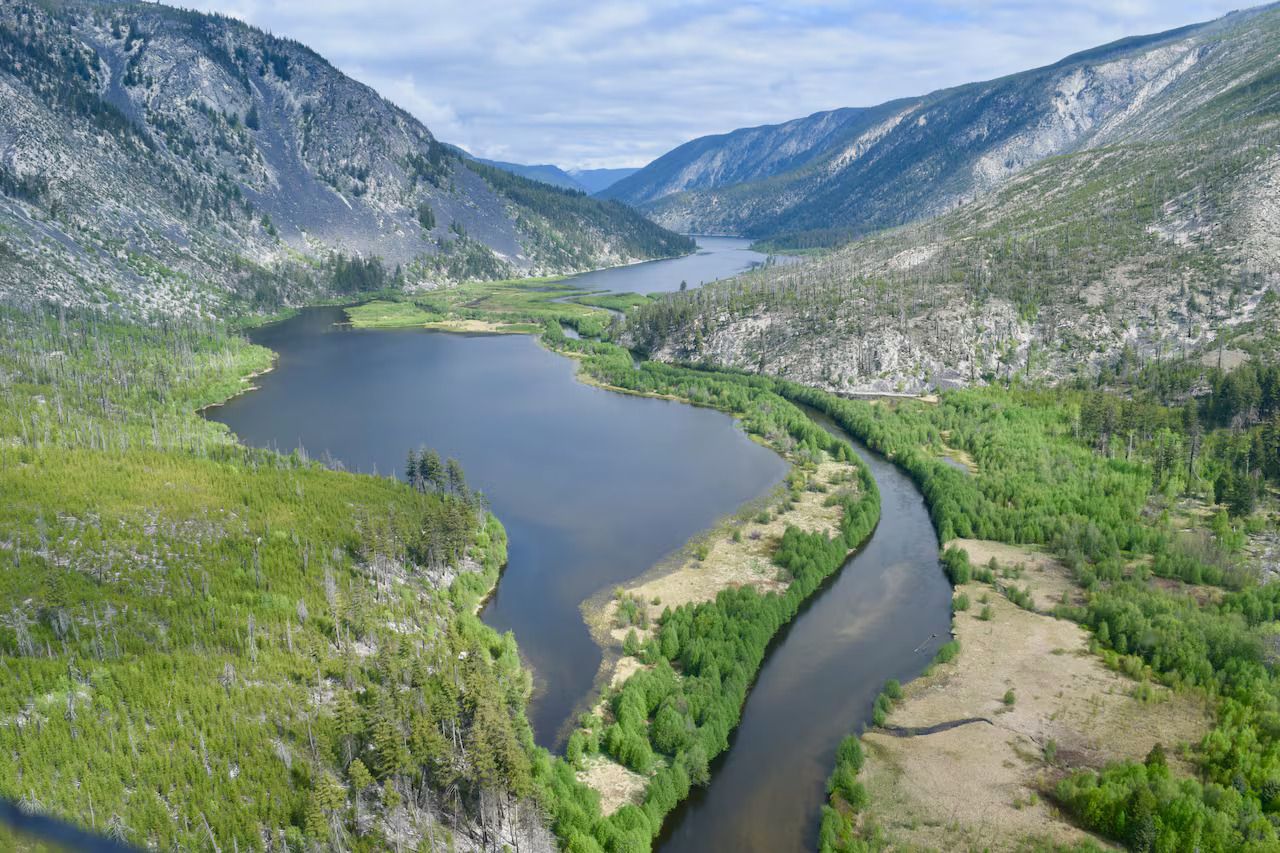
On a misty February morning, a small group set out along a forest road on Saturna Island, binoculars at the ready. The air was cool, the light low, and the forest quiet except for the faint tapping of a Pileated Woodpecker somewhere high above.

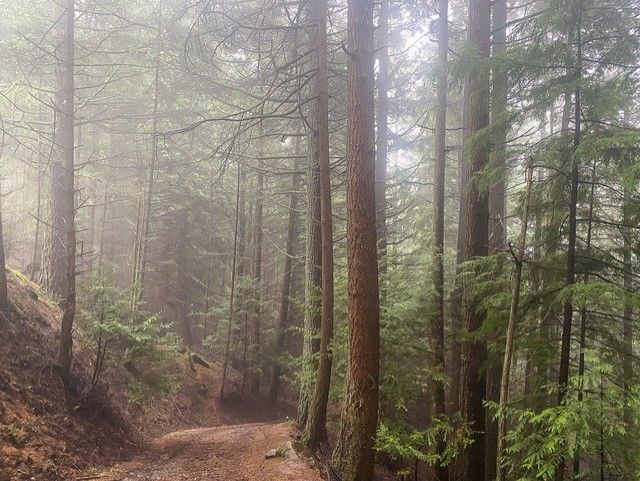
Misty morning on Saturna Island.

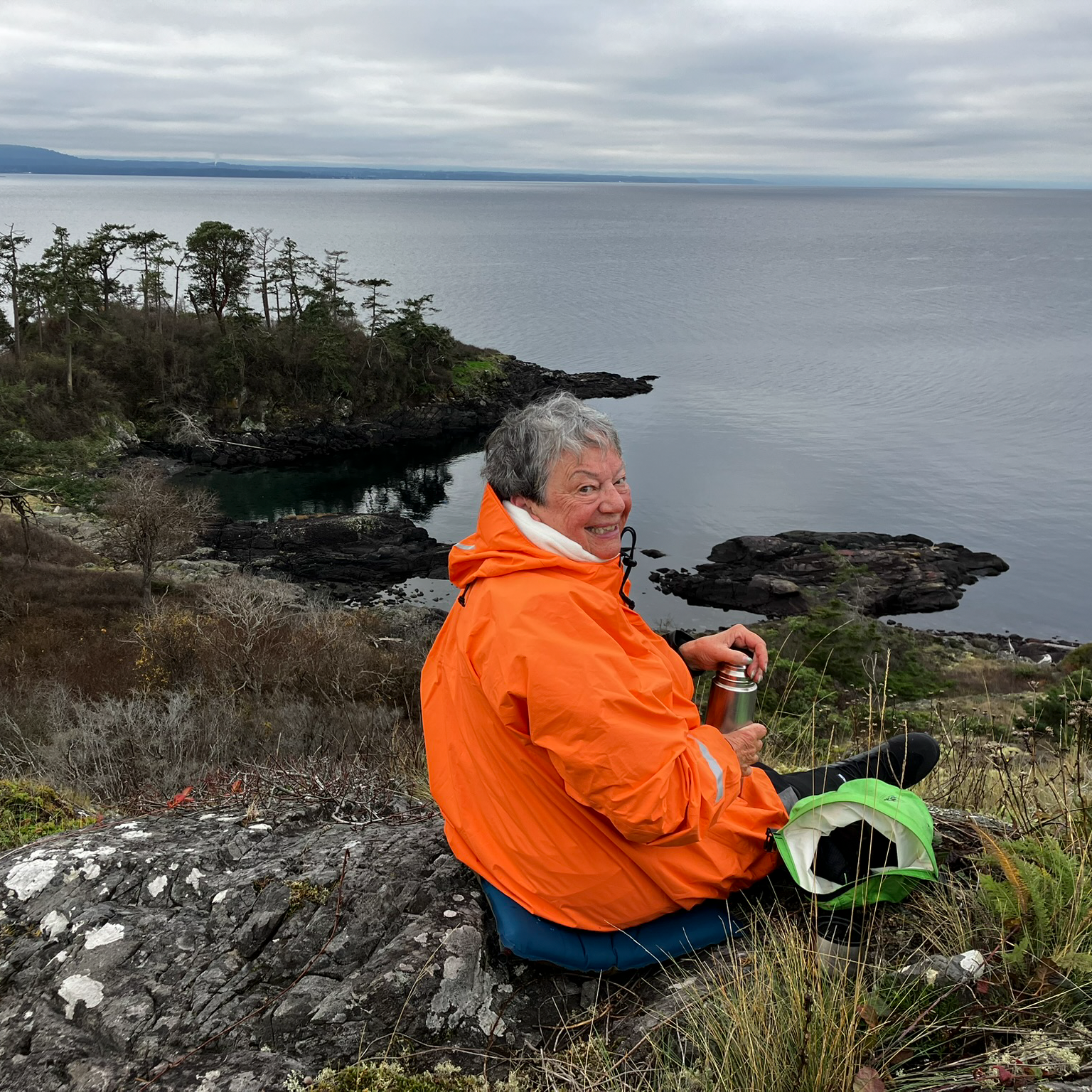
The observers walking toward Cactus Point were part of a tradition more than 120 years old. This year, it was taking place on land protected by you, BC Parks Foundation supporters.

“The Christmas Bird Count is the longest-running community science project in the world,” says Maureen Welton, Founder and President of the Saturna Island Marine Research & Education Society (SIMRES) and one of the misty-morning marchers. “It began in 1900 as a radical idea to count birds instead of shoot them.”

SIMRES was a major supporter of last year’s campaign to protect this ecologically important land on Saturna Island. “While the Christmas Bird Count has taken place across the island for decades,” says Maureen, “some of its most biodiverse land has been privately owned and inaccessible.”

Thanks to BC Parks Foundation supporters, 372 acres of protected waterfront at Cactus Point are now part of this long-running scientific record.

Over time, the count has become one of the most important tools scientists have for understanding how bird populations are changing.

Since the 1970s, the population of North American birds has dropped nearly 30%. That's almost three billion birds gone, largely due to habitat loss and ecosystem disruption. Without consistent, long-term data, that quiet disappearance might have gone unnoticed.

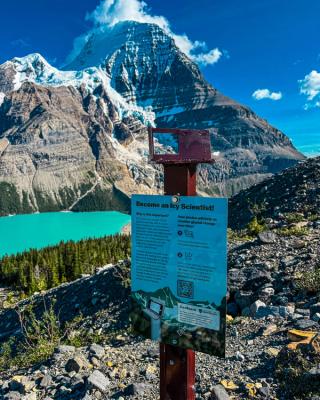
Today, data collected by volunteers across the continent helps researchers track trends, spot declines, and understand what birds need to survive. “And that starts with land,” says Welton. “Just like the sea, protected land is essential to birds' long-term survival.”

What they spotted

“It takes about two hours to walk from the road to the point,” Welton says. “We walked through the forest in a light mist, listening more than seeing at first.” Along the way, they heard Pacific wrens, chickadees, a Pileated Woodpecker, and the distinctive call of a Varied Thrush echoing through the trees. Smaller forest birds are often easier to hear than spot—especially in winter—and their presence offers clues about forest health.

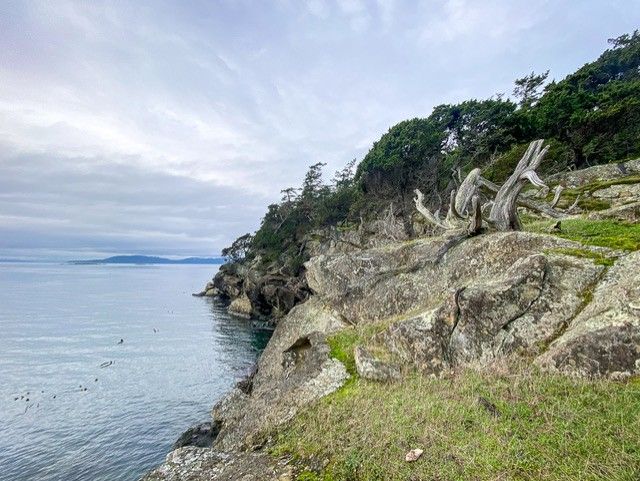
“We were worried the mist would hinder our visibility,” says Welton. “But as we reached the shoreline, the weather shifted and the sun broke through. We sat on the grass to eat lunch and scanned the water.”

Waterfront view on Saturna Island.

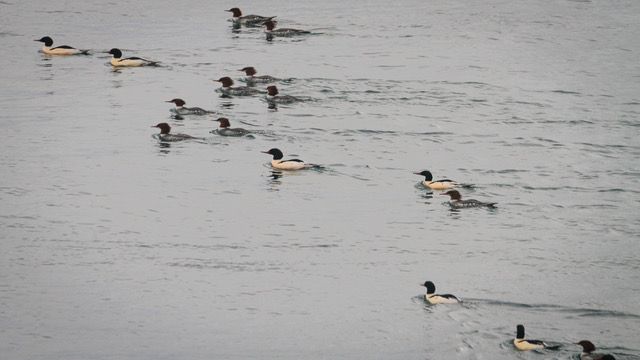
A raft of 20 Common Mergansers floated just offshore, males and females strikingly different in colour. Nearby, mature Bald Eagles perched in trees, nesting on land but feeding largely from the ocean.

20 Common Mergansers floating on water, males and females strikingly different in colour

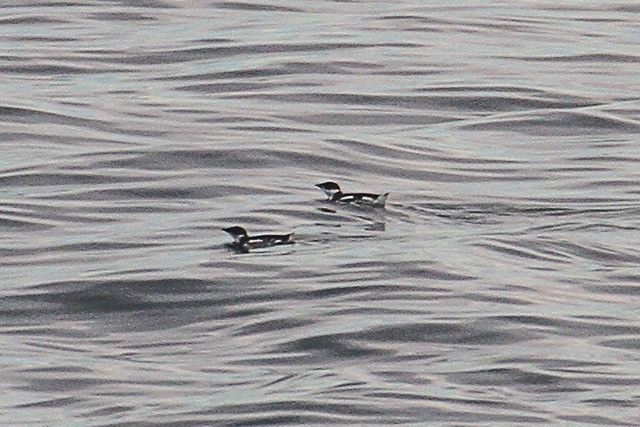
“And then there were the Marbled Murrelets,” says Welton.

Elusive and declining, Marbled Murrelets nest high in old-growth trees and feed at sea. They are notoriously difficult to spot and are a species of growing concern. Seeing them that day—four in total—was a highlight, later confirmed through careful photo review.

Marbled Murrelets on the water.

“They’re not easy to identify, and they’re not easy to find,” Welton says. “So seeing them, and knowing what they depend on, really stays with you.”

The Christmas Bird Count is about patterns that emerge over decades. Volunteers record not just what they see, but how long they were out, how many people participated, and how they travelled. That information allows scientists to correct for effort and compare data across generations.

“Bird counts are social by nature,” says Maureen. Beginners walk alongside experienced birders, knowledge is shared, and at the end of the day, they all gather at the community hall to compare notes, swap stories, and talk about what they saw. “There’s a joy to it,” she says. “It feels a bit like a treasure hunt. You never know what you’ll find.”

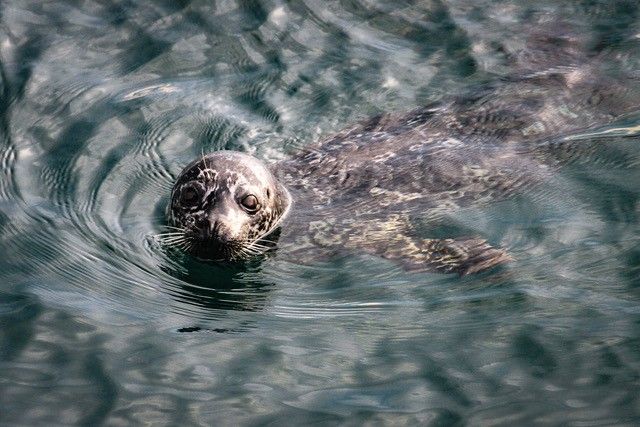
Harbour seal in the water.

Observers also spotted a curious harbour seal (pictured above) and a Stellar’s sea lion in the waters off the shore of Cactus Point

Maureen believes that joy is part of the solution. When people feel connected to a place, they care for it. When land is protected, science can happen. When science happens over time, it gives us the evidence we need to act.

All you need to take part? Good walking shoes, binoculars, curiosity, and places like this, protected by you, where nature still has room to speak.

Your support makes this work possible

Because of people like you, remote places like Cactus Point on Saturna Island can be protected, studied, and cared for. Your generosity helps ensure more discoveries, more learning, and more opportunities for wonder in the years ahead. Please consider giving today.