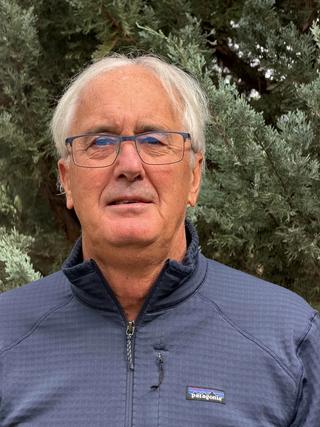
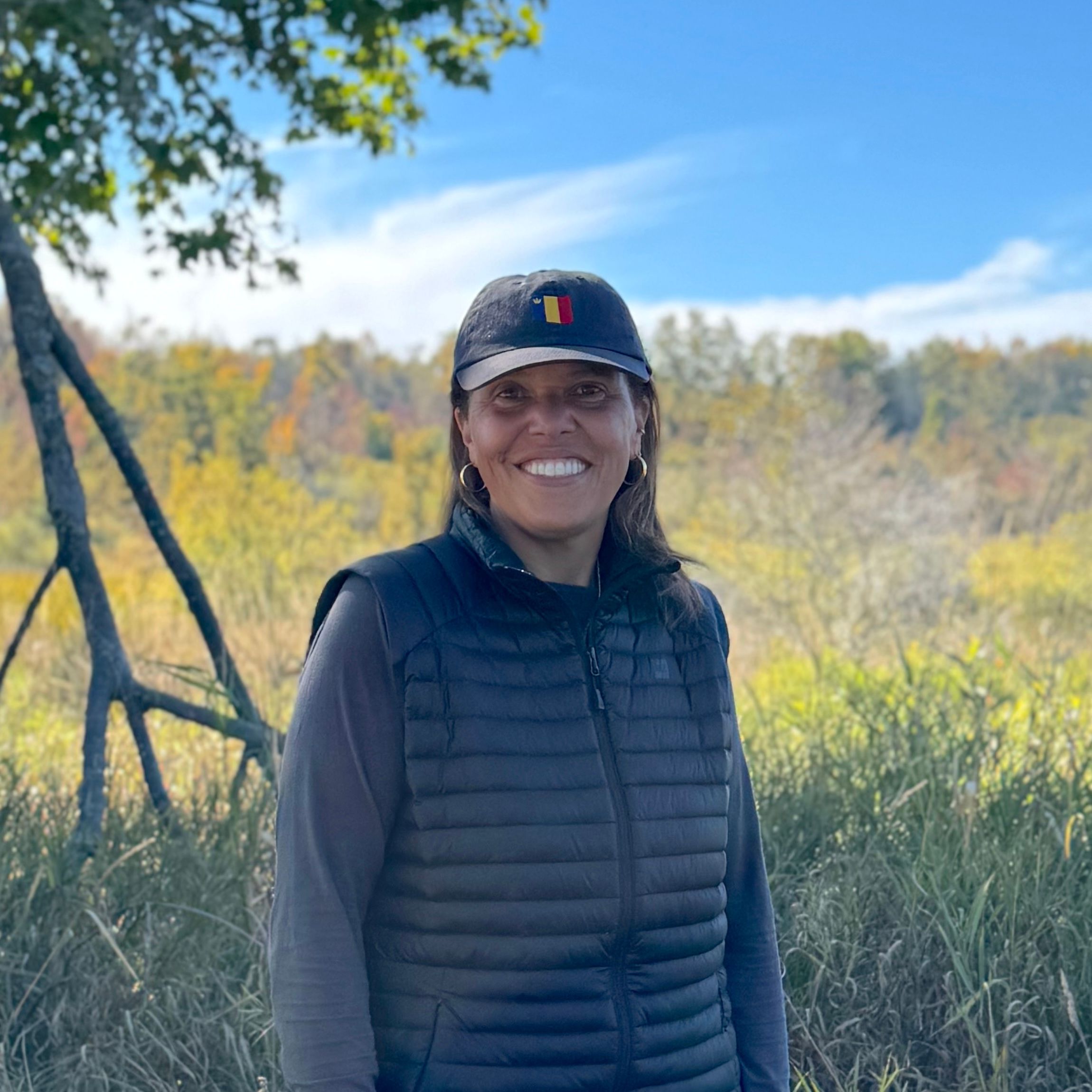
Dr. Gina Ogilvie is a physician, Professor, and Canada Research Chair at the University of British Columbia whose work focuses on women’s health, and particularly on the prevention and elimination of cervical cancer in Canada and around the world.
Born in Jamaica and raised in Toronto, Gina has built a career at the intersection of medicine, research, and public health, generating evidence that has helped shape health policy and practice. She recently joined the BC Parks Foundation Board of Directors, bringing a public-health perspective to the connection between nature, movement, community, and well-being.
We spoke with Gina about her lifelong connection to the outdoors, why access to nature is a public-health issue, and why she thinks Canadians need to rediscover just how extraordinary our parks are.

You’ve spent your career in medicine and public health. What made you want to join the BC Parks Foundation Board?
When studying medicine, what drew me to the specialties of public health and primary care was understanding that the real drivers of health sit well beyond healthcare. They start with things like education, income, nutrition, and, of course, activity.
We know that activity and engagement in nature are important predictors of not only longevity, but also quality of life. I’m really passionate about ensuring everyone has access to spaces that allow them to move and engage and be the best they can be.
Growing up in an immigrant family, public spaces were where we gathered with family and friends. We met in local and regional parks. I remember going to these big picnics at regional parks in Ontario with upwards of 60 people. Everyone would bring their food and their barbecues, and we would be there all day.
Then I spent my summers at summer camp and started getting into hiking, camping, and canoeing. Now I see my own kids doing it. We did lots of hiking and camping when they were young, and now they’re organizing their own canoe trips and hikes.
What I love about the Foundation is that it creates a novel and innovative way to support and expand access to public lands that allow people to optimize their health and well-being.
How do you think about equitable access to nature as a public-health issue?
As a public-health physician, supporting access to and encouraging people to engage physically is foundational.
One thing that’s really important is figuring out how we continue to support access for new Canadians. I’m really grateful to my parents. They came from a culture where camping wasn’t really part of it, but they looked around and said, “Okay, this is a good thing for children and youth, ” so they sent us to camps where we were outdoors all summer.
I think we need to almost ladder people into engaging in the outdoors. You can’t expect someone to start their experiences with the West Coast Trail! Not everyone needs to be climbing Sky Pilot. You can start with, “Let’s go for a walk in Pacific Spirit Park.”
Accessibility isn’t just about having a park physically close to you. It’s also about helping people feel comfortable being there and giving them ways to start. Then, if they want to, they can keep going.
Your career has involved turning research into real changes in healthcare and public policy. What have you learned about what it takes to create change?
You need to ask: What would the optimal policy look like? What are the barriers? What evidence do policymakers need, and what does the public need to understand?
I always talk about asking the uncomfortable questions—the things people can seem very certain about, but we don’t actually have evidence for. Maybe someone says, “Immigrant families don’t want to go to public parks.” I love a question like that because I go, “Oh, really? Is that so?”
Maybe families are interested, but they don’t know how to do it. Maybe they feel uncomfortable. Maybe they would prefer a guide who speaks their language. You have to understand what the barrier actually is before you can address it.
That requires humility. You have to be willing to generate hard evidence that may not align with what you think.
It’s about playing the long game, bringing policymakers along with you, communicating the small successes, and engaging the critics. I always keep some of the critics close to me. If you do that right, sometimes they can become your biggest champions.
Where do you see the biggest opportunities for BC Parks Foundation over the next several years?
I see a lot of opportunity around health, newcomer Canadians, and youth.
We have such a crisis in youth mental health right now. One of the greatest things about being outdoors is that young people can chuck the phones, be with their buddies, and really be in the moment.
I’ve seen what being outside has done for my own kids, and what it does for friendships and well-being. I think there’s a real opportunity to help more young people experience that.
I’m also really interested in how the Foundation helps newcomer Canadians get comfortable in nature. It can start with a walk in a provincial park, feeling comfortable there, and then seeing where that takes you.
What do you hope for the future of parks and protected areas in BC?
I hope we really come to recognize and cherish what we have here. Our park system is such a jewel, and we take it for granted. You just expect it to be there. You don’t want to invest in it. Meanwhile, I’ll be up at Brandywine and a tour bus comes in, 30 people pour out, and they’re like, “Oh my God! This is spectacular!!” They really can see how fortunate we are to have this incredible park system.
I’d love for us to regain that sense of reverence for how fortunate we are to have access to these places, and to really cherish them.