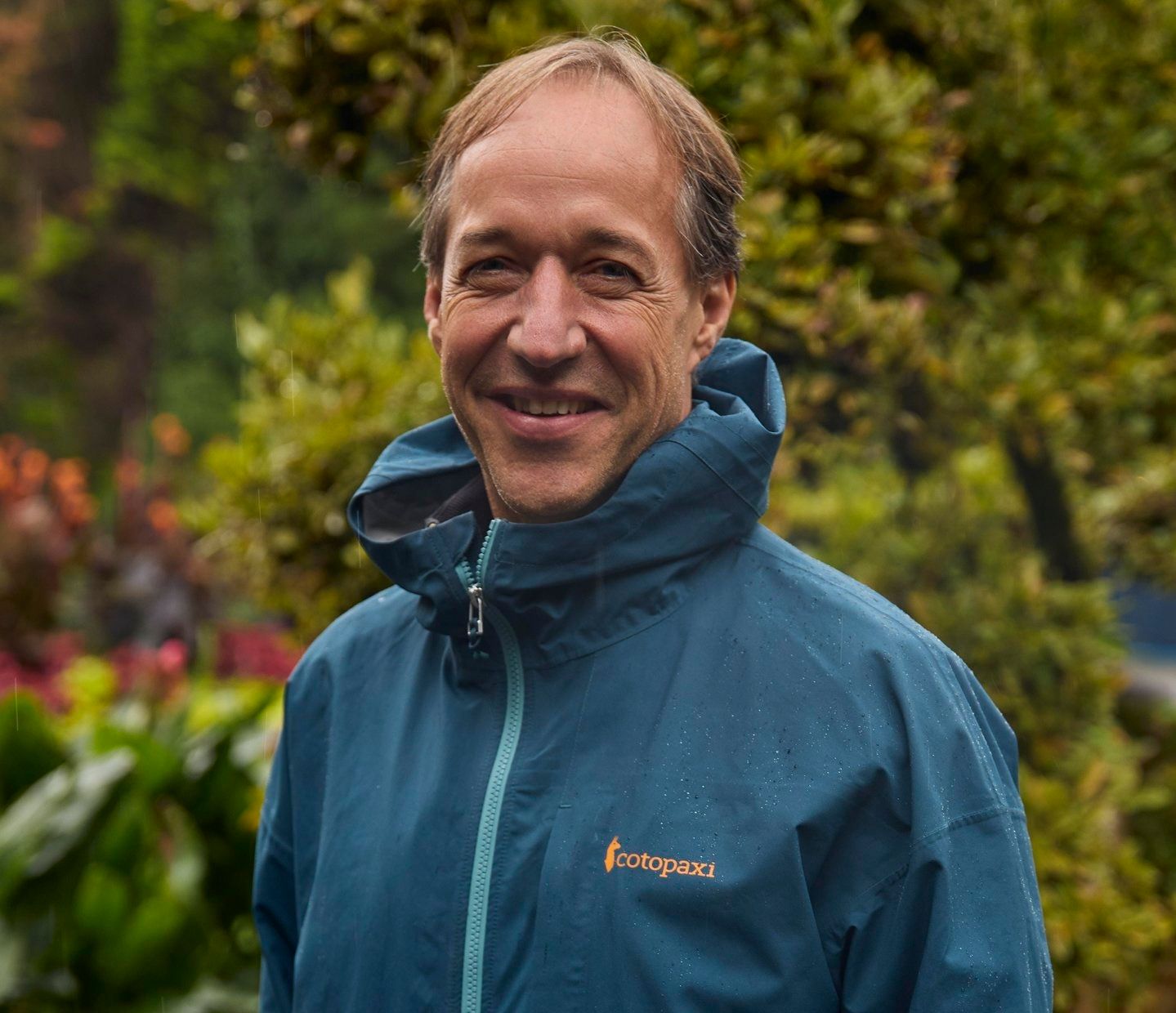
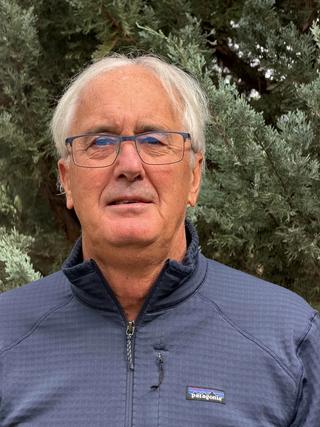
Ross Cloutier has spent more than five decades working at the intersection of adventure tourism, conservation, and community development in BC and around the world.
A former climbing and ski guide, educator, business owner, and consultant, Ross is now CEO of HeliCat Canada and principal of Bhudak Consultants Ltd. His career has taken him from mountain guiding and search and rescue in British Columbia to adventure tourism projects in more than 30 countries, working with governments, Indigenous communities, universities, and businesses.
He recently joined the BC Parks Foundation Board of Directors, bringing experience in how protected areas can support conservation while also creating opportunities for people and communities. We spoke with Ross about what he has learned over 50 years in the outdoors, what makes BC special, and where he sees some of the biggest opportunities ahead.

What made you want to join the BC Parks Foundation Board, and why now?
I think the Foundation has achieved some tremendous things in a relatively short time, and the potential is really what drives me.
My work for decades has involved conservation and adventure tourism, working with Indigenous groups, governments, and communities. I’m interested in how protected areas can also create employment and lasting benefits for communities, and I think that’s an area where I can contribute.
You’ve worked in adventure tourism for more than 50 years. How has the industry changed, and what does BC need to get right for its future?
When I started, you absolutely had to be an entrepreneur to make even a partial living in adventure tourism. Today, it’s different. You can create a long-term career in the industry as an employee in a way that really didn’t exist 40 or 50 years ago.
The industry has become much more professional, and it has also become a significant part of BC’s economy.
At the same time, adventure tourism and outdoor recreation are competing for space on the land base with forestry, mining, and other industries. That’s one reason protected areas are so important. They protect landscapes, obviously, but they can also create opportunities for recreation and tourism, and lasting benefits for communities.
For the next generation coming into the industry, professionalism is crucial. Years ago, we were just banging around. You could get access to the land. You didn’t need permits. It’s a totally different world now.
You’ve worked in remarkable landscapes around the world. What has that taught you about what makes BC special?
The geography here is special, although there are lots of places in the world with similar geography. What’s different is everything BC has built around it.
We have really good access. We have a long history in adventure tourism. We have a tremendous amount of expertise. BC is a mature adventure tourism market in a way that many other destinations aren’t yet.
But it’s competitive. The same guests who come to British Columbia are also going to Greenland, Iceland, Norway, Patagonia, and other places around the world. BC has some significant advantages, but we shouldn’t take them for granted.
Protecting the landscape and creating that land base for the future is really important. If we’re protecting a significant part of BC in perpetuity, and communities can also benefit from that, that’s a big deal.
You’ve worked extensively with Indigenous communities. What have those experiences taught you about protected areas?
I spent 17 years working in northern Labrador with the Labrador Inuit (Nunatsiavut). When they were negotiating their land claim with the federal government, they said they wanted their traditional homeland in northern Labrador to become a national park.
They saw that park as a potential way to bring tourism to the area, but also as a way to connect young people with their traditional homeland and reconnect Elders with the places where they grew up.
I’ve been with Elders who went back for the first time since they were teenagers, and man, it’s emotional.
The Torngat Mountains National Park came out of that vision. The protected area wasn’t solely about conservation. It was also about culture, connection, and creating economic opportunities.
I think that’s an important way to think about protected areas: they can protect the land while also supporting culture, connection, and opportunities for the people connected to it.
Where do you see the biggest opportunities for BC Parks Foundation over the next several years?
I think there’s a real opportunity in what I’ve been talking about: looking at how conservation areas can also create employment and benefit communities.
But I’m also really interested in all the health-related things the Foundation is doing with PaRx and Healthy by Nature. There’s significant potential there to get people into nature for their own well-being, and that personal experience can lead to something more. What I’ve seen throughout my career is that when people experience nature—whether it’s in the mountains, on the ocean, or somewhere else—they connect with that place. And then they start asking, “How can I help? What can I do?”